· Paul · Metal ID & Sorting · 8 min read
Aluminum Scrap Grades: Cast, Sheet, Extrusion & What Each Pays
Aluminum is a volume game — the money is in sorting it right. Here's how yards grade extrusion, wheels, cans, sheet, cast and Al/Cu radiators, how to tell them apart, and what each pays per pound.
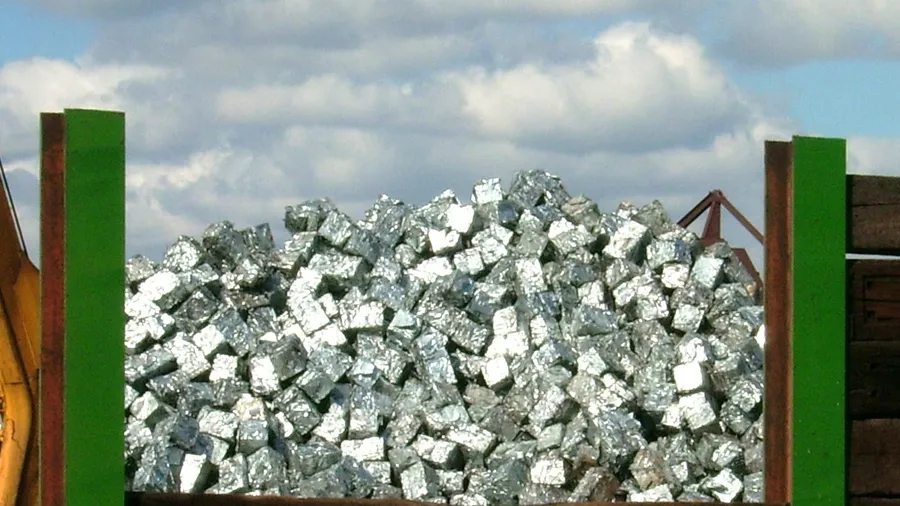
Aluminum will never pay like copper per pound, but it’s everywhere, it’s light to handle, and yards sort it into grades that pay very differently. A clean pile of window-frame extrusion pays well; the same weight tossed in with cast pays a little more than half as much, and with the screws still in it pays a fraction of that. With aluminum, the money isn’t in the metal so much as in the sorting.
Quick answer (US yards, October 2026): clean extrusion is the best-paying common grade at about $1.05/lb. Cast, where unsorted aluminum ends up, pays about $0.60/lb. Aluminum/copper radiators bring about $1.80/lb because of their copper tubes, and anything with steel or plastic still attached drops to “dirty” at around $0.20/lb.
Aluminum scrap prices by grade
| Grade | Indicative $/lb | Typical US range | Tier |
|---|---|---|---|
| Aluminum/copper radiators (Al/Cu) | ~$1.80 | $1.70–$2.60 | Clean |
| Aluminum extrusion (6063) | ~$1.05 | $0.90–$1.40 | Clean |
| Aluminum wheels (clean) | ~$0.85 | $0.75–$0.90 | Clean |
| Used beverage cans (UBC) | ~$0.65 | $0.60–$0.90 | Clean |
| Sheet aluminum | ~$0.62 | $0.50–$0.85 | Clean |
| Cast aluminum | ~$0.60 | $0.55–$0.80 | Clean |
| Dirty / irony aluminum | ~$0.20 | $0.05–$0.30 | Downgrade |
US yard prices, last reviewed October 2026. They move weekly and vary by region, so confirm with your local yard before you haul.
Sorting is where the money is: 200 lb of clean extrusion is about $210 at these prices. Throw the same 200 lb in with your cast and it’s about $120; leave the screws and glass in and it’s closer to $40.
First: is it actually aluminum?
Before you grade it, confirm it. Aluminum is light, non-magnetic, and when it corrodes it turns a dull white/grey powder — never the red-brown rust of steel. Run a magnet over it: if it sticks, it’s steel (possibly galvanized, which fools people by looking silvery). If it’s suspiciously heavy for its size, it may be zinc or pot metal, which grade lower. A quick file or scratch shows bright silver underneath on real aluminum. Confirm with the magnet test before anything else — a magnetic “aluminum” load gets you paid for steel.
The grades, one by one
Aluminum extrusion
Extrusion is aluminum pushed through a die, so it comes out as long lengths with the same profile all the way along. It’s the cleanest and best-paying common grade: about $1.05/lb, with yards posting $0.90–$1.40. Yards often call it “6063” after the alloy most of it is made from.
- Where you’ll find it: window and door frames, door thresholds, storefront framing, screen-door and shower frames, heat sinks, trim.
- How to identify it: smooth, straight lengths with a uniform cross-section, often anodized satin silver, bronze, or black.
- What downgrades it: steel screws, glass, and rubber seals. Pull them and keep extrusion strictly apart from cast and sheet. Painted extrusion or pieces with small attachments are often bought as a separate “dirty extrusion” grade a notch lower.
Aluminum wheels
Cast or forged alloy rims are their own well-paying grade at most yards: about $0.85/lb clean.
- Where you’ll find them: cars, trucks, trailers, motorcycles — anywhere alloy wheels are used. Tire shops sometimes have a pile of bent or curbed ones.
- How to identify them: solid, heavy rims that a magnet won’t stick to. Chrome-plated alloy wheels are still aluminum underneath, though some yards pay them as a separate grade.
- What downgrades them: the tire, the steel valve stem, and steel or lead wheel weights. Leave any of those on and the wheel is graded dirty. Forged truck and semi wheels are sometimes a separate grade too.
Aluminum cans (UBC)
Used beverage cans (UBC) are a category of their own: about $0.65/lb, with yards posting $0.60–$0.90. Roughly 32 empty cans make a pound.
- Where you’ll find them: recycling bins, events, workplaces, roadside collection.
- How to sell them: keep them separate — never bury cans in a pile of sheet. Empty and dry pays best. In a deposit state, redemption beats scrap by a wide margin: even a 5-cent deposit is worth more than double a can’s scrap value.
Sheet aluminum
Flat, thin rolled aluminum, about $0.62/lb when clean. Some yards buy siding and gutters as their own grade a few cents higher.
- Where you’ll find it: house siding, gutters, roofing and flashing, trailer skin, license plates, signage.
- How to identify it: thin, flat, and easy to bend by hand.
- What downgrades it: foam backing, insulation, and steel fasteners. Painted siding is usually fine.
Cast aluminum
Anything poured into a mould. It’s the lowest of the clean grades, at about $0.60/lb, and it’s also where unsorted aluminum gets graded.
- Where you’ll find it: engine blocks and transmission cases (once cleaned of steel), BBQ housings, lawnmower decks, patio furniture, pistons.
- How to identify it: a grainy, slightly rough surface from the mould, and thick, chunky parts compared with sheet or extrusion.
- What downgrades it: steel bolts, bearings, sleeves, and iron internals. Leftover steel makes it “irony” and drops the price.
Al/Cu radiators
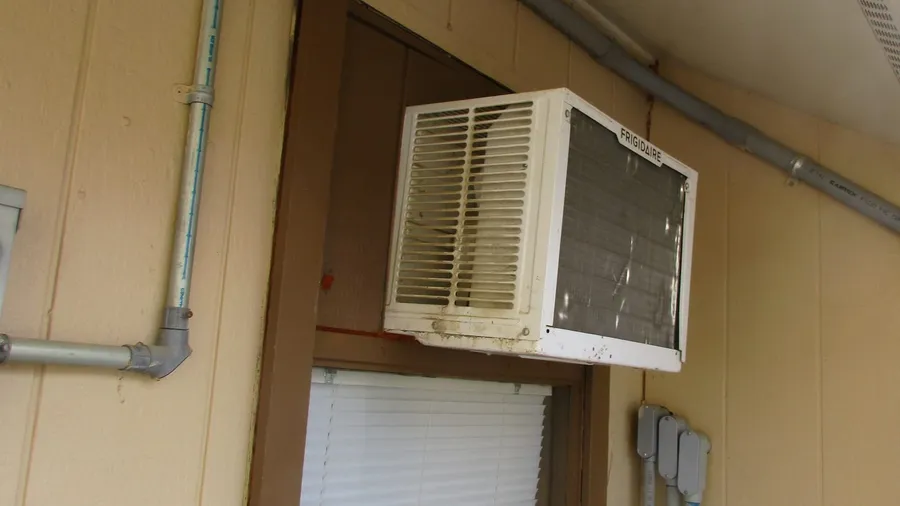
The fin-and-tube coils in air conditioners: thin aluminum fins wrapped around copper tubes. Yards grade them separately because of the copper, at about $1.80/lb for a clean coil.
- Where you’ll find them: window and central AC units, refrigeration condensers, dehumidifiers, some vehicle radiators.
- How to identify them: a block of thin aluminum fins with reddish copper tube ends showing along the edges.
- What downgrades them: steel end plates and brackets — coils with steel still on are bought as “dirty” coil for much less. Refrigerant must be recovered by a certified technician before any line is cut.
The full walkthrough is in Aluminum/Copper Radiators: How to Spot, Prep, and Sell Them.
Dirty and irony aluminum
Two words cost you money at the scale:
- Dirty aluminum — aluminum with attachments still on: plastic, rubber, glass, steel brackets, insulation. A window with its glass and hardware still in it isn’t clean extrusion; it’s dirty.
- Irony aluminum — aluminum with enough steel attached that a magnet reacts. The yard has to account for the iron, so it pays far less: around $0.20/lb, and some yards barely pay for it at all.
This is a downgrade, not a destination. A screwdriver, a magnet, and a few minutes move most of it up a grade: pull the steel, pop the glass, cut the plastic. Then present cast, sheet, and extrusion in separate containers, or the whole load tends to be called at the cheapest grade in the bucket.
Is aluminum worth scrapping at all?
For small amounts, honestly, not really: a kitchen bag of 50 cans is about a pound and a half — roughly $1. Aluminum pays when you have volume and when it’s clean and sorted: a truck bed of separated extrusion, a stack of clean siding, wheels with the tires off. Before you haul a big mixed load, put a realistic weight and price on each grade with the Scrap Lot Deal Analyzer, and use the Unit & Price Converters if your yard quotes in $/kg or per tonne.
Aluminum scrap questions
What is the most valuable aluminum scrap?
Of the common grades, clean extrusion (window and door frame stock) pays the most, around $1.05/lb at US yards in October 2026. Aluminum/copper radiators pay more per pound (about $1.80/lb), but only because of the copper tubing inside them.
Is cast aluminum worth scrapping?
Yes, in volume. At about $0.60/lb, 50 lb of cleaned castings (BBQ housings, a mower deck, a stripped transmission case) is worth roughly $30. Small pieces only pay once you have a bucket or more of them.
Should I scrap cans or return them for the deposit?
In a deposit state, return them. Roughly 32 empty cans make a pound, so at $0.65/lb scrap a can is worth about 2 cents, while even a 5-cent deposit pays more than double that.
Why did the yard pay me the dirty aluminum price?
Something non-aluminum was still attached: steel screws or brackets, rubber seals, glass, plastic, or insulation. Yards price the whole lot at the grade of its worst piece, so strip attachments and present each grade in its own container.
Where these prices come from
Indicative prices sit at the conservative end of what US yards posted in October 2026; the ranges show the spread across yards. They move with the market every week, so call your local yard before you haul.
- Scrap Monitor: US aluminum scrap averages, 3–8 yards per grade (Oct 7–9, 2026)
- Rockaway Recycling: posted scrap prices (Oct 12, 2026)
- iScrap App: sheet aluminum national average (Oct 1, 2026)
Keep learning
- Confirm your metal first with the magnet test.
- Pulling the coil out of an AC unit? Aluminum/Copper Radiators covers prep and grading.
- Brass and bronze hide in the same bins — sort them out with Brass vs Bronze vs Copper.
- Stripping aluminum wire? The Aluminum Wire Yield calculator works out what’s inside.
- See what a whole AC unit adds up to on the Appliance Scrap Value calculator.
- More sorting know-how in the Metal ID & Sorting guides.
- aluminum