· Paul · Metal ID & Sorting · 4 min read
Lead Scrap: Where to Find It, What It Pays, and Handling It Safely
Lead is heavy, soft, and pays a fair bit per pound — but it's toxic, so it's the one metal where how you handle it matters as much as what it's worth. Here's where to find it and how to stay safe.
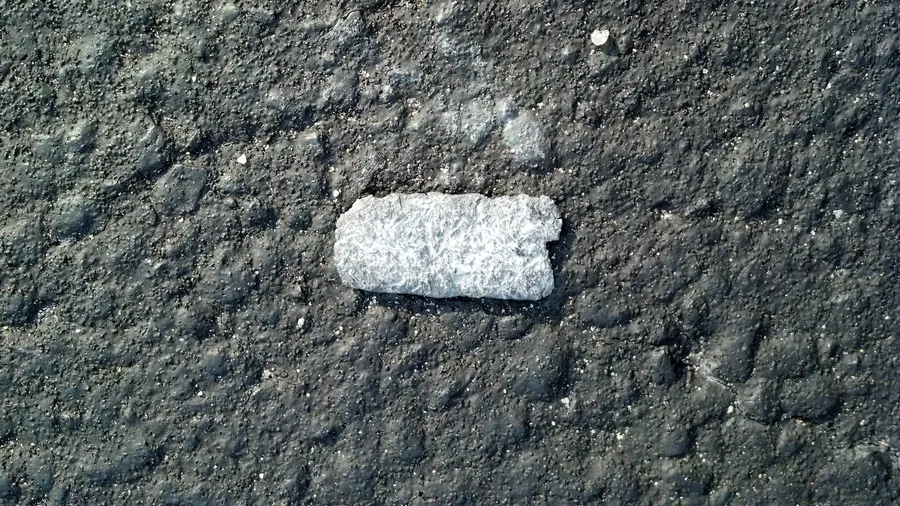
Lead sits in an odd spot for scrappers: it’s heavy for its size, easy to identify, and turns up in predictable places — but it’s genuinely toxic, so it’s the one metal where how you handle it matters as much as what it’s worth. Clean soft lead runs around $0.40/lb at US yards (October 2026), which makes a modest haul worthwhile, as long as you treat it with respect.
What lead looks and feels like
Lead is unmistakable once you’ve held it: very heavy for its size, dull blue-grey, and soft — you can dent it with a thumbnail, scratch it easily with a knife, and it leaves a grey mark on paper like a pencil. It’s non-magnetic, so a magnet confirms it isn’t steel (run the magnet test first). Fresh-cut lead is shiny silver and dulls to grey within minutes as it oxidizes. Nothing else common is that heavy and that soft.
Where to find it
- Wheel weights — the classic source, though worth a caveat: many newer weights are now zinc or steel (lead was banned for wheel weights in a number of states), so check with a knife — lead cuts soft, zinc and steel don’t.
- Lead pipe — old plumbing, especially pre-1960s drains and water lines. Dull grey, bends easily by hand.
- Roof and chimney flashing — sheet lead used to seal joints on older roofs.
- Sheet lead — X-ray room shielding, older soundproofing, some roofing.
- Dive weights and fishing sinkers — cast lead, clean and soft.
- Cable sheathing — old lead-jacketed communications and power cable.
- Lead-acid batteries — car, marine, and UPS batteries are mostly lead, but they’re a separate commodity: yards buy them whole, by the each or by the pound. See the safety note below — never open them.
Grades
Most yards keep it simple:
- Clean / soft lead — pure lead with nothing attached: pipe, flashing, sheet, dive weights. The top price.
- Wheel weights — their own category (they carry small steel clips), priced a bit below clean soft lead.
- Dirty / range lead — lead with attachments, oxidation, or contamination.
- Lead-acid batteries — priced and handled entirely separately from loose lead.
Safety comes first — this one’s not optional
Lead is a cumulative poison, and the danger isn’t touching a pipe once — it’s dust, fumes, and hand-to-mouth transfer over time. A few rules that cost nothing:
- Wear gloves, and wash your hands before eating, drinking, or smoking after handling lead.
- Never torch, grind, or melt lead casually — especially not indoors. Melting throws off fumes that are far more dangerous than the solid metal, and there’s no safe way to do it in a garage.
- Keep it away from children and anyone pregnant, and don’t store it where kids or pets get at it.
- Never crack open a lead-acid battery. They contain sulfuric acid as well as lead; a leaking or opened battery is a hazmat problem, not a scrap score. Sell them intact.
None of this makes lead not worth doing — it just means gloves on, don’t melt it, wash up. Handle it like the toxic metal it is and it’s a perfectly good earner.
The two pieces of safety gear worth owning before you handle lead regularly: cut-resistant gloves (lead often comes as jagged pipe and cut sheet), and a real P100 respirator for the one situation you can’t avoid dust — cutting or cleaning oxidized lead. A paper dust mask does nothing here.
Cut-resistant work gloves
$Scrap is all torn sheet metal and jagged copper. One good pair of cut-resistant gloves is the difference between a productive day and a trip for stitches — the easiest money you will ever save.
Look for: ANSI cut level A5/level 5 or higher, coated palm for grip. Buy a size that still lets you handle small parts.
Pick: Schwer cut-resistant work gloves
Reusable respirator (P100)
$Grinding steel, cutting old insulation, and handling lead all put things in the air you don't want in your lungs. A proper P100 half-mask is cheap next to the alternative.
Look for: Half-mask with replaceable P100 filters — not a paper dust mask. Essential around lead, grinding dust, and any torch work.
Pick: 3M 6000-series half mask with P100 filters (6291)
Is it worth collecting?
At ~$0.40/lb and dense, lead adds up faster than you’d think — a short length of old lead pipe or a coffee can of dive weights is real weight. It’s rarely a haul on its own, but it’s worth setting aside as you find it. Put a number on a mixed load with the Scrap Lot Deal Analyzer, and convert with the Unit & Price Converters if your yard quotes per kilo.
Keep learning
- Confirm it’s non-ferrous with the magnet test.
- Round out your metal ID: aluminum grades, brass vs bronze vs copper, and stainless steel.
- More sorting know-how in the Metal ID & Sorting guides.
- lead