· Paul · Metal ID & Sorting · 4 min read
Steel & Iron Scrap Grades: Light Iron, Heavy Melt, Cast & Tin
Steel is the lowest-paying metal you'll haul and the one you'll haul most. Here's how yards grade light iron, heavy melting steel, and cast iron — and how to not give away the valuable metal hiding inside it.
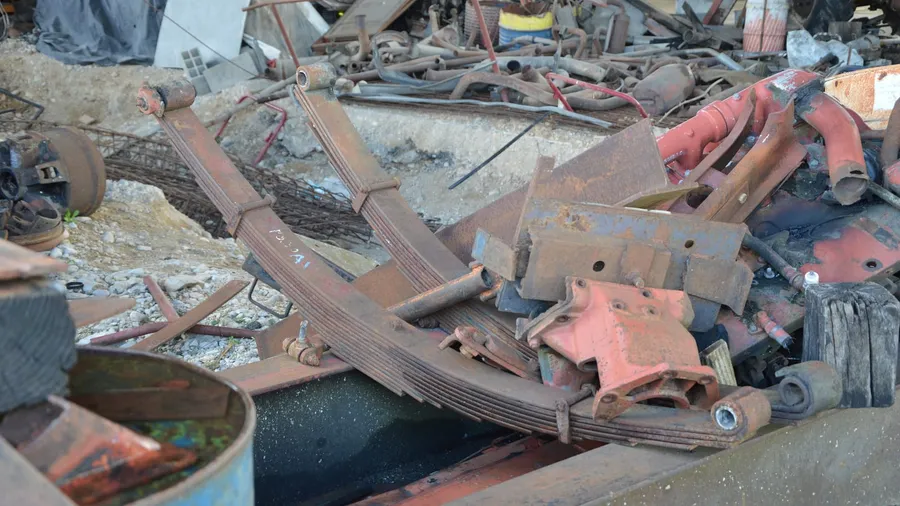
Steel and iron are the bread and butter of scrapping: the highest-volume, lowest-value metal you’ll deal with. It pays cents per pound, not dollars, so nobody gets rich on ferrous alone. But it’s everywhere, it’s easy to identify, and — most importantly — it’s usually wrapped around the metals that do pay. Knowing the grades keeps you from leaving money on the table, in both directions.
Confirm it’s ferrous first
Every steel and iron grade shares one trait: a magnet sticks hard. If your magnet grabs it and it shows red-brown rust, you’re in ferrous territory. That’s the whole entry test — the magnet test is the fastest tool in scrapping. The grades below are all magnetic; what separates them is thickness, form, and how they’re prepared.
The grades you’ll actually deal with
Light iron (sheet iron / shred steel) — thin steel: appliance cabinets, car body panels, metal shelving, ductwork, most household steel. It’s the default, lowest ferrous grade — around $0.07/lb at US yards (October 2026), and it moves with the market week to week. The bulk of what a household scrapper hauls lands here.
Heavy melting steel (HMS #1 & #2) — thick structural steel, generally 1/4 inch or thicker: plate, I-beams, heavy pipe, axles, thick brackets. It pays a bit more than light iron because it’s cleaner to melt. Many yards want it “prepared” — cut to a maximum size (often around 3 ft × 2 ft) so it fits a furnace charge box. Prepared heavy steel pays more than the same steel left oversized.
Preparing steel means cutting it, and that’s a tool decision. For the occasional bracket or bolt, an angle grinder with a cutoff wheel is plenty. Once you’re processing pipe and rebar by the truckload, a metal chop saw drops repeatable cuts far faster and is the one place a bigger spend pays back.
Angle grinder + cutoff wheels
$$The bolt-and-bracket solution. When a recip saw can't reach or a bolt is seized, a grinder with a cutoff wheel goes through steel in seconds — then swaps to a flap disc to clean up.
Look for: 4.5" grinder (corded or on a battery platform you own) with a stack of metal cutoff wheels. Eye and face protection every time.
Pick: DEWALT DWE402 4-1/2" angle grinder
Metal-cutting chop saw
$$$For volume steel: rebar, pipe, angle iron, thick bracket. A cutoff saw drops repeatable cuts far faster than a hand grinder — worth it once you're processing steel by the truckload, not the piece.
Look for: 14" abrasive or metal cold-cut saw with a clamp vise. A serious tool — follow the guard and eye-protection instructions.
Pick: BOSCH GCO15-14 14" abrasive cut-off saw
Cast iron — brake rotors and drums, old radiators, cookware, bench vises, engine blocks (after the aluminum and internals are out), cast pipe. It’s grainy, dull grey, brittle, and heavier-feeling than sheet steel — snap-brittle rather than bendy. Most yards grade it as its own category, sometimes a touch above light iron.
Tin / appliances (“white goods”) — refrigerators, washers, dryers, water heaters. Many yards price whole appliances separately (per item or a low per-pound), and some charge a fee to handle sealed refrigeration units because of the refrigerant. Check before you load a truck of them.
The expensive mistake: selling your good metal as steel
Here’s where grade knowledge actually makes you money. Steel items are full of higher-value metal:
- The copper-wound motor in a washer or dryer.
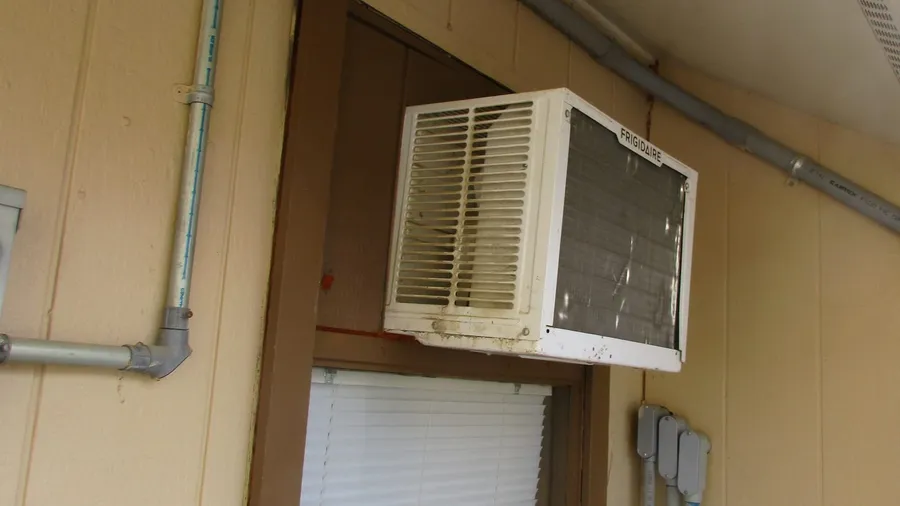
- Aluminum and copper in an AC unit or radiator.
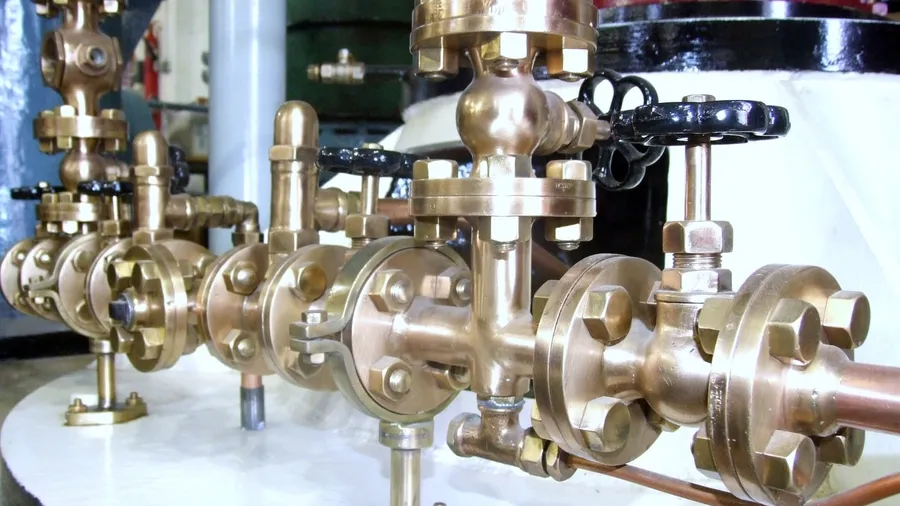
- Brass valves and fittings on a water heater or pump.
- Stainless drums, trim, and sinks.
Leave those attached and the yard pays you light-iron price for all of it. Pull the motor, cut out the radiator, unscrew the brass, and each piece jumps to its own far-higher grade. That’s the core move of profitable scrapping: steel is what’s left after you’ve harvested everything worth more. Before you break down a big appliance, see what the pieces add up to on the Appliance Scrap Value calculator.
Is steel worth hauling?
By itself, only in volume — a full truckload of prepared heavy steel is real money; a few brackets are gas money. Steel’s real value is as the thing you process: strip the good metal, and sell the carcass. Put a number on a mixed load before you commit with the Scrap Lot Deal Analyzer, and remember that fuel and time to the yard can eat a small ferrous load whole.
Keep learning
- Master the magnet test — it’s the gate to every grade above.
- Silvery, doesn’t rust, magnet barely grabs? That’s likely stainless steel, and it pays far more than mild steel.
- Harvest the non-ferrous first: aluminum grades and brass vs bronze vs copper.
- More sorting know-how in the Metal ID & Sorting guides.
- steel