· Paul · Metal ID & Sorting · 4 min read
Brass vs Bronze vs Copper: Telling Them Apart and Sorting for Top Dollar
Three reddish-yellow metals, three different payouts. Here's how to tell brass from bronze from copper by eye, sort yellow from red brass, and stop leaving money in the fittings bin.
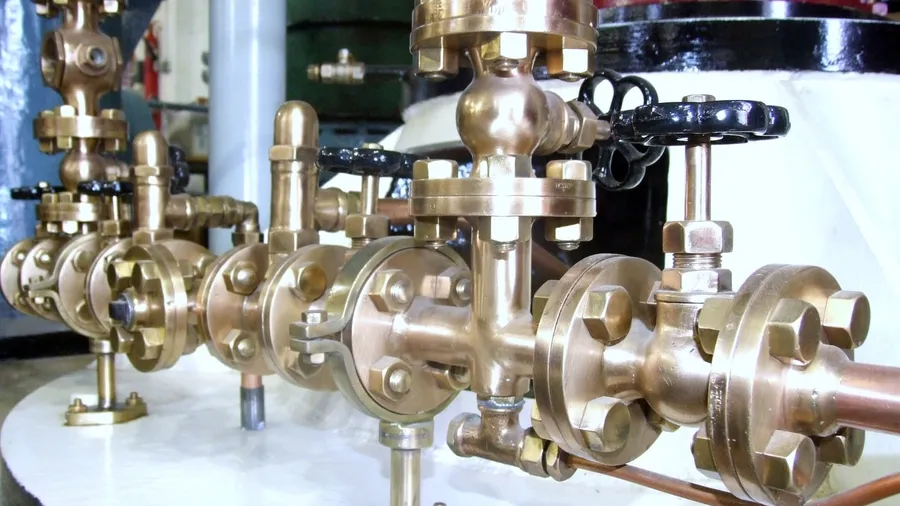
Brass is one of the most overlooked paydays in scrapping. It hides in small pieces — a faucet here, a valve there, a handful of keys — and because it looks a bit like copper and a bit like bronze, a lot of it gets tossed in the wrong bin. Yellow brass pays around $2.90/lb at US yards (October 2026), several times what aluminum does, so learning to spot and sort it is some of the best-paid ten minutes in the trade.
What these three metals actually are
They’re related, which is why they confuse people:
- Copper is a pure element — reddish-orange, soft, the base metal for the other two.
- Brass is copper + zinc. The more zinc, the yellower and harder it gets.
- Bronze is copper + tin (sometimes with aluminum or silicon). It runs reddish-brown and is prized for bearings and marine parts.
All three are non-magnetic. That’s your first sorting tool: if a magnet sticks, you’re holding plated steel, not solid brass or bronze — very common with cheap décor, bathroom fixtures, and hardware.
Telling them apart by eye
Color does most of the work once you’ve trained your eye:
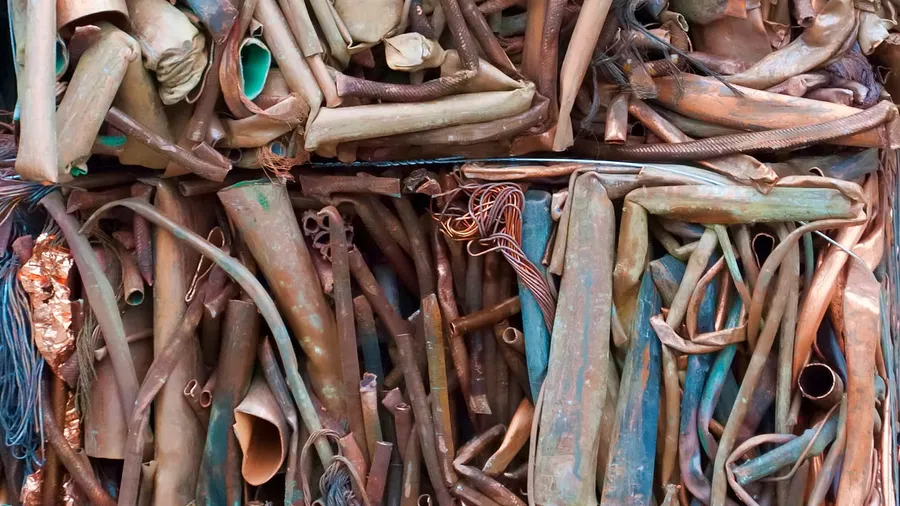
- Copper — unmistakable reddish-orange, like a new penny. Scratch it and the fresh metal is pink-red.
- Brass — yellow-gold, from a pale straw yellow (high zinc) to a warm gold. Scratch through any tarnish and it’s clearly yellow, not red.
- Bronze — reddish-brown and usually duller than brass, often with a brown or greenish patina. Bronze tends to show up as heavier, thicker cast pieces (bearings, bushings, valve bodies, statues) rather than thin fittings.
When in doubt, file a small spot. Surface tarnish, lacquer, and chrome plating all lie about the color; the base metal under a scratch tells the truth. A chrome-plated brass faucet still grades as brass — the thin plating doesn’t change what it’s made of.
Yellow brass vs red brass — the split that pays
Yards usually grade brass into at least two tiers, and the difference is real money:
Yellow brass — the common grade and what most of your finds will be: plumbing fittings, valves, faucets (steel and plastic removed), keys, door hardware, locks, light fixtures, sprinkler heads, ammo casings, decorative brass. Higher zinc, brighter yellow.
Red brass (semi-red) — higher copper content, so it pays more than yellow. Older plumbing fittings, valve bodies, pump parts, and some water-meter components. It looks pinker/redder than yellow brass. If you’re not sure, keep suspected red brass separate and let the yard grade it — don’t bury it in the yellow-brass bucket where it’ll be paid as yellow.
Bronze is often lumped with brass, but bearing and marine bronze can grade on its own (sometimes higher). Ask your yard how they handle it before you assume.
What downgrades brass
Brass gets docked for anything attached or mixed in:
- Steel parts — faucets and valves are full of steel screws, springs, and stems. A magnet finds them; pull them.
- Plastic and rubber — cartridges, washers, aerators.
- Being mixed — a bucket of yellow brass with a few chrome-heavy or steel-laden pieces can get called down. Sort clean brass, “dirty” brass (attachments), and red brass into separate piles.
The cleanup is the same instinct as copper: the fittings you strip off copper pipe are usually brass and worth pulling and selling on their own rather than dragging your copper down to #2 grade.
Where to find it (and what it’s worth)
Plumbing is the motherlode — shutoff valves, hose bibs, faucets, compression fittings, gate valves. After that: keys, padlocks, light fixtures, gears and bushings (often bronze), spent ammo casings, and old brass car radiators. Individually the pieces are small, but a coffee can of clean brass fittings adds up fast at $2+/lb. Put a number on a mixed haul with the Scrap Lot Deal Analyzer, and convert grades with the Unit & Price Converters if your yard quotes per kilo or per tonne.
Keep learning
- Start every sort with the magnet test to weed out plated steel.
- Know your copper grades too: #1 vs #2 Copper.
- Handling a lot of aluminum in the same load? See Aluminum Scrap Grades.
- More identification and sorting in the Metal ID & Sorting guides.
- brass
- copper