· Paul · Metal ID & Sorting · 4 min read
Stainless Steel Scrap: Is It Magnetic? 304 vs 316, and What It Pays
Stainless throws off the magnet test — the good grades barely stick. Here's how to tell 304 and 316 from magnetic 400-series and from plain steel, and why the difference is worth real money.
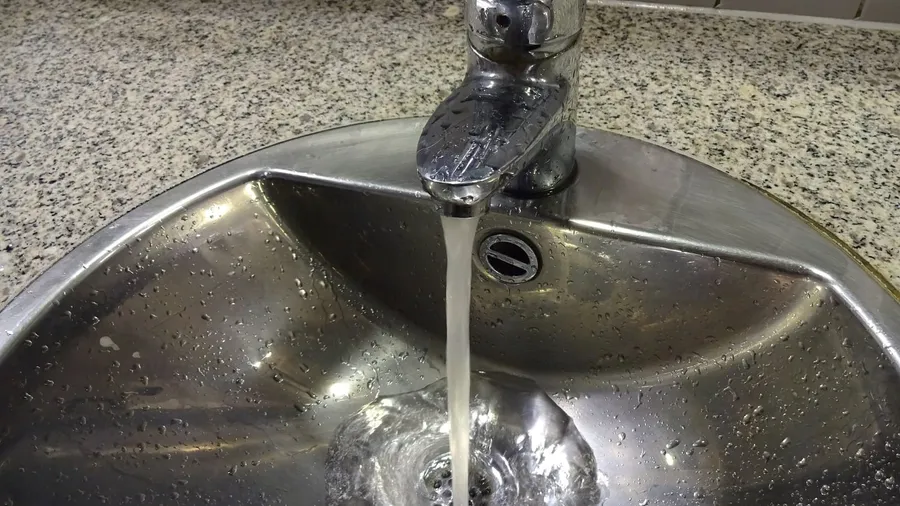
Stainless is the metal that breaks the magnet test — and that’s exactly why it’s easy to under-sell. The valuable grades barely react to a magnet, so scrappers who rely on “magnetic = steel, non-magnetic = good” either toss stainless in the cheap iron pile or confuse it with aluminum. Get it right and stainless pays several times what mild steel does, because of what’s alloyed into it.
What stainless actually is
Stainless steel is steel with chromium added (at least ~10.5%), which forms an invisible layer that stops it rusting. The grades worth the most also contain nickel, and nickel is the expensive ingredient that sets the price. So the whole game with stainless is figuring out whether a piece has nickel in it — and the magnet is how you start.
The magnet myth, explained
“Stainless isn’t magnetic” is half true, and the half that’s wrong costs people money:
- 300-series (austenitic) — 304 and 316 — contains nickel, and is non-magnetic or only weakly magnetic. A magnet slides off or grabs very faintly. This is the good stuff.
- 400-series (ferritic) — 409, 430 — has chromium but little or no nickel, and is magnetic: a magnet sticks firmly. It still resists rust, but it pays less because there’s no nickel.
So a magnet doesn’t tell you “stainless or not” — it tells you which stainless. Non-magnetic + silvery + no rust = likely nickel-bearing 304/316 (higher pay). Firmly magnetic + silvery + no rust = likely 400-series (lower pay, sometimes only a little above mild steel).
One catch: heavily worked 304 (bent, cold-formed edges, welds) can pick up a slight magnetic pull. A weak, patchy grab still points to 300-series; a firm, whole-piece grab points to 400.
304 vs 316
Among the good grades:
- 304 (often stamped 18/8 or 18/10 — 18% chromium, 8–10% nickel) is by far the most common: kitchen sinks, appliance panels, countertops, food-service equipment, railings, cookware, kegs.
- 316 adds molybdenum for extra corrosion resistance and shows up in marine, medical, and chemical gear. It contains more nickel, so it grades a bit higher than 304 — but most yards lump both into one “stainless” price unless you have volume.
At US yards in October 2026, 304 runs around $0.38/lb — compare that to light iron near $0.07 and you can see why sorting it out matters.
How to test a piece
- Magnet — none/weak pull → 300-series; firm pull → 400-series or plated steel.
- Rust — real stainless doesn’t show red rust (surface tea-staining aside). Red rust means mild or plated steel.
- Look for stamps — “18/8”, “18/10”, “304”, “316”, “SUS304” are dead giveaways on sinks, pots, and equipment.
- Weight and color vs aluminum — non-magnetic can also mean aluminum. Stainless is much heavier for its size and has a cooler grey tone; aluminum is light and, when scratched, brighter silver.
What downgrades stainless
- Attachments — plastic, rubber gaskets, steel brackets and screws. Pull them; a stainless sink with its steel clips and a garbage disposal still on isn’t clean stainless.
- Mixing — 300 and 400 series together, or stainless mixed into a regular steel load, gets called at the lower price. Keep a separate stainless bucket.
Is it worth sorting out?
Almost always, yes — the jump from iron price to stainless price is large, and stainless hides in plain sight in kitchens, restaurants, and dairy/brewing gear. Even a few pieces are worth pulling. Put a number on a mixed pile with the Scrap Lot Deal Analyzer, and use the Unit & Price Converters if your yard quotes stainless per kilo or tonne.
Keep learning
- Start with the magnet test — and now you know why stainless bends the rule.
- Compare against plain ferrous grades in Steel & Iron Scrap Grades.
- Non-magnetic and light, not heavy? Check Aluminum Scrap Grades instead.
- More identification and sorting in the Metal ID & Sorting guides.
- stainless
- steel