· Paul · Precious Metals & Microscrapping · 4 min read
Microscrapping 101: Making Money From Components Everyone Else Shreds
The gold, silver, and palladium in e-waste is real — but the money is in harvesting and selling smart, not dangerous backyard chemistry. Here's the honest introduction.
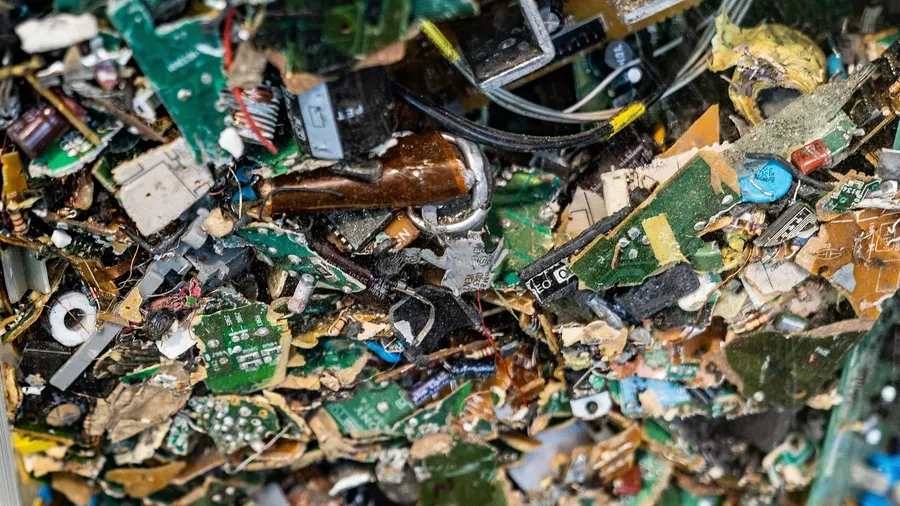
Microscrapping is the niche corner of the hobby that makes people’s eyes light up: there really is gold inside that old computer. But the gap between “there’s gold in here” and “I made money” is wide, and it’s littered with people who wasted a weekend — or hurt themselves — chasing fractions of a gram the wrong way. This guide is the honest introduction: what’s actually in there, how to capture the value safely, and where to stop.
A safety note, up front
Some corners of the internet will tell you to dissolve circuit boards in acid to recover gold. We don’t cover that, and we recommend you don’t do it. DIY gold recovery chemistry — aqua regia, cyanide, and the rest — produces toxic fumes and hazardous waste, is genuinely dangerous to handle, and is illegal for individuals to perform or dispose of in many places. It also almost never pays once you account for the chemicals, the equipment, the risk, and your time. The real money in microscrapping is in harvesting and sorting components and selling them to a refiner who does the chemistry properly, at scale, legally. That’s the path this guide teaches.
Where the value actually is
E-waste hides small amounts of several precious and valuable metals:
- Gold — plated on high-reliability connectors, contacts, CPU pins, and edge connectors (“gold fingers”). Tiny quantities, but gold is gold.
- Silver — in contacts, relays, switches, breakers, and some solder.
- Palladium and other PGMs — in multilayer ceramic capacitors (MLCCs), some connectors, and — outside of e-waste — catalytic converters.
- Copper — the unglamorous bulk of the value in most boards and wiring, and the metal that pays most microscrappers’ actual bills.
The mistake beginners make is fixating on the gold and ignoring that copper and well-sorted boards are where the reliable money is.
The microscrapper’s real skill: sorting
You don’t extract precious metals as a microscrapper — you concentrate them by sorting, and let a refiner extract. The skill is knowing what’s worth separating:
- Boards by grade — telecom and server boards (dense with chips and gold connectors) are worth many times what a low-grade appliance board is. Sorting a mixed box into grades is the single most valuable thing you can do.
- CPUs by era and package — old ceramic, gold-pinned processors carry far more recoverable gold than modern plastic chips. A handful of the right ceramic CPUs can outvalue a shoebox of modern ones.
- RAM and gold fingers — gold-edge connectors are worth trimming and selling separately by weight.
The Board & Component Value Estimator puts conservative numbers on all of this so you can decide what’s worth harvesting before you spend hours at it.
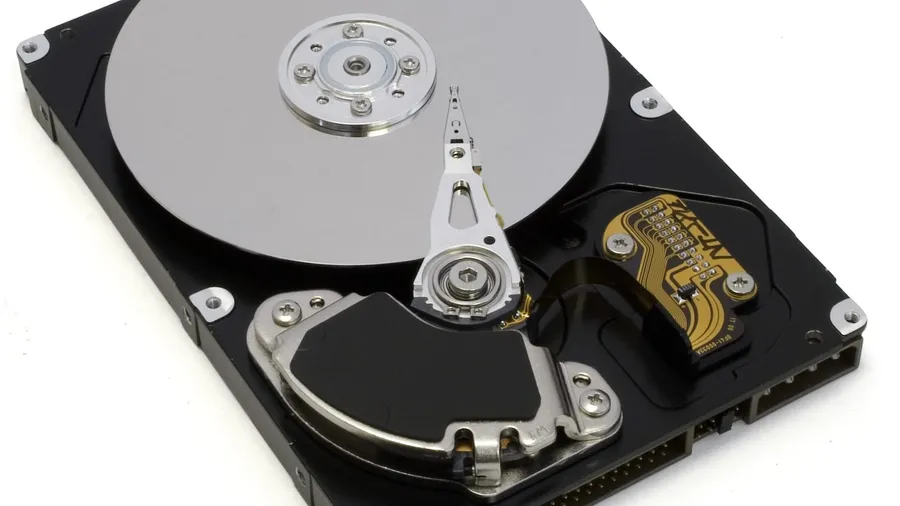
Harvesting starts with getting the case open. Electronics are held together by dozens of screws — many of them oddball heads chosen specifically to keep you out — so one inexpensive precision driver kit pays for itself the first afternoon:
Electric precision screwdriver kit
$Electronics and hard drives are full of tiny screws (Torx T5–T9, tri-wing, pentalobe) that a 1/4" bit set can't reach. A rechargeable precision driver with a full set of small bits opens laptops, drives, and consoles in minutes.
Look for: Torx T5–T9 including the security (pin) versions, tri-wing, pentalobe, and small Phillips, plus a magnetic holder. A rechargeable pen-style driver saves your wrist on a pile of drives; a manual kit works too.
Why “it depends on the buyer” is especially true here
Circuit board and component pricing varies more by who’s buying than any other scrap category. A general scrap yard, a local e-waste recycler, and a specialist refiner can quote wildly different prices for the identical lot, because they sell into different markets with different minimums. Always get a real quote before committing a big lot, and treat any price list — including our calculator’s conservative defaults — as a starting point for comparison, not a promise.
Is it worth it for you?
Microscrapping rewards patience and volume over cleverness. If you enjoy the sorting, have a steady source of e-waste, and sell to the right buyers, it’s a legitimate and low-competition corner of the hobby with strong affiliate-adjacent tooling (test kits, magnification, hot-air stations). If you’re looking for a quick score from one old PC, the honest answer is that the copper and the whole boards are most of your money, and the gold is a rounding error you shouldn’t risk your health chasing.
Go deeper
- Estimate a lot with the Board & Component Value Estimator.
- Start with the fundamentals in the Complete Beginner’s Guide.
- Learn wire first — it’s most microscrappers’ steadiest income: Copper Wire Identification Guide.
- Back to all Precious Metals & Microscrapping guides.
- gold
- silver
- pgm
- e-waste