· Paul · Getting Started · 5 min read
Scrapping Metal in 2026: The Complete Beginner's Guide
Everything a new scrapper needs: which metals pay, where to find them legally, the gear that matters, and how to turn a pile of junk into a scale ticket without getting ripped off.
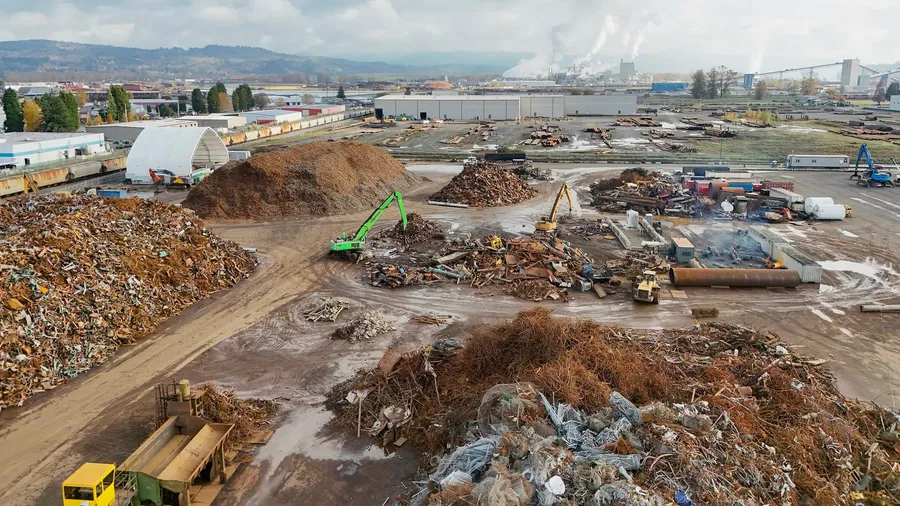
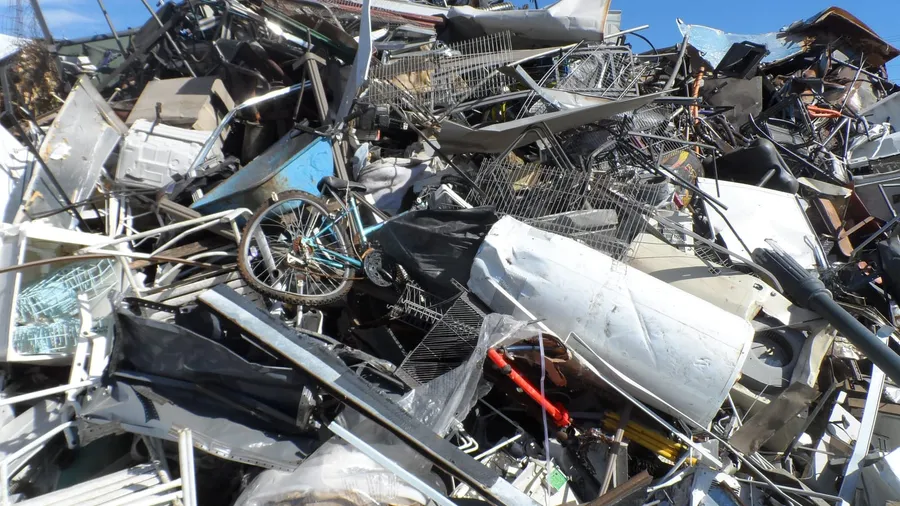
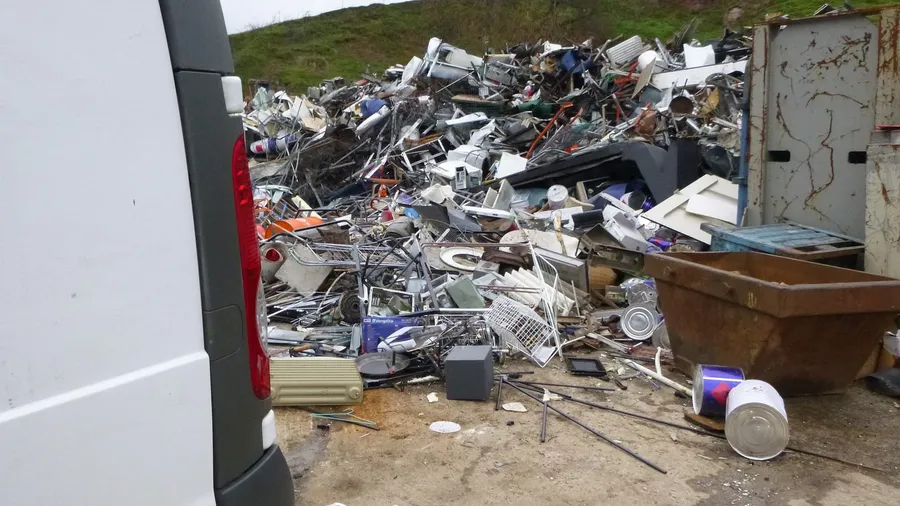
Scrap metal is one of the few side-hustles where the raw material is genuinely lying around for free — in alleys, on curbs, in the back of a garage you’re cleaning out. The trick isn’t finding metal; it’s knowing which metal pays, how to tell one kind from another, and how not to hand value to the yard by accident. This guide is the map. It won’t make you an expert in one read, but it’ll get you from “pile of stuff” to “cash in hand” without the expensive beginner mistakes.
Why 2026 is a good time to start
Copper hit record highs on the metals exchanges in early 2026, driven by data-center buildout and electrification, and scrap prices followed it up. When metal prices are high, two things happen: the same pound of copper is worth more, and more people start scrapping — which means more competition for curb finds but also more information, tools, and buyers than ever. High prices don’t last forever, but the fundamentals of scrapping (recycling, cleaning out clutter, e-waste) have a stable floor even when the market cools.
The metals that actually pay
Not all metal is worth your time. Here’s the hierarchy, roughly high to low value per pound:
- Copper — the king. Bright, reddish, non-magnetic. Found in wire, pipe, motor windings, and radiators. Clean copper is the best per-pound payout most scrappers will handle regularly.
- Brass — yellowish, heavy, non-magnetic. Faucets, valves, fittings, ammunition casings, some decorative hardware.
- Aluminum — light, silvery, non-magnetic. Cans, window frames, car parts, siding. Low per-pound, but it’s everywhere and adds up by volume.
- Stainless steel — shiny, usually non-magnetic (or weakly magnetic). Sinks, appliances, kitchen gear. Pays more than regular steel.
- Lead — soft, heavy, dull grey. Wheel weights, old pipe, batteries (handle with care).
- Steel / iron — magnetic, the cheapest by far, but the most abundant. Appliances, structural metal, tools.
One item breaks the per-pound rule: a catalytic converter from your own vehicle is priced by the platinum, palladium, and rhodium coated inside it, not by its weight. Most are worth roughly $50–$250 as scrap, and some hybrid units far more. The catalytic converter value estimator gives a ballpark by converter type.
The first skill worth building is telling these apart fast. Start with the magnet test — it splits the entire world of scrap into two halves and is the single most useful thing a beginner can learn.
Where to find scrap legally
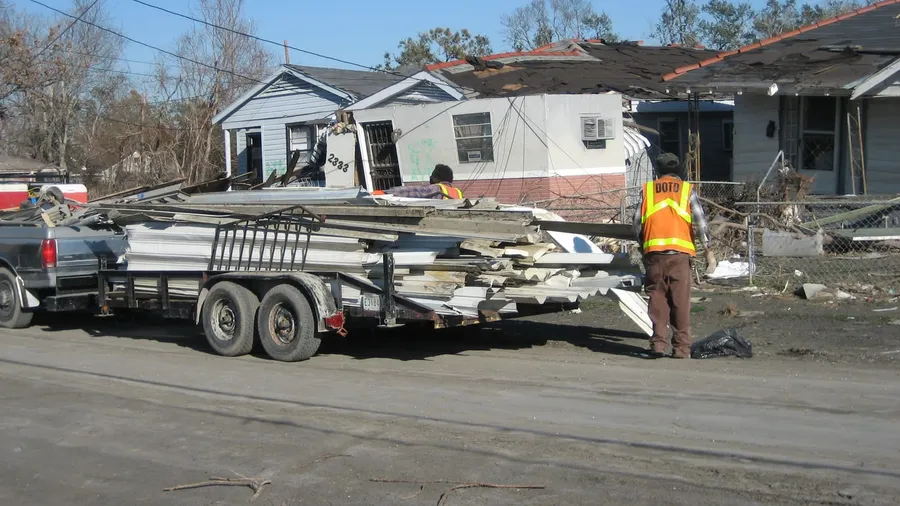
The legal part matters. Taking metal from a construction site, a business dumpster, or someone’s property without permission is theft, and metal theft laws are strict. Stick to sources you’re clearly allowed to take from:
- Your own home — clean out the garage, basement, and shed first. Old appliances, wire offcuts, broken tools.
- Curbside on trash day — in most areas, items at the curb for collection are fair game, but rules vary by city. Know yours.
- Friends, family, and neighbors — offer to haul away their junk. People are glad to have it gone.
- Free listings — “curb alert” and free sections on marketplace sites, especially for appliances.
- Small businesses — a garage, HVAC shop, or contractor may let you take their scrap if you ask and are reliable.
The gear you actually need
You do not need a truck full of equipment to start. A realistic beginner kit:
- A magnet (the most important tool — ferrous vs non-ferrous in one touch)
- Work gloves — scrap metal is sharp, always
- A pair of wire snips or a utility knife
- A scale so you’re not walking into the yard blind
- Something to haul with (bins, a hand truck, or your car trunk lined with a tarp)
That’s it to begin. The temptation is to buy a wire-stripping machine on day one — resist it until the math says so. Whether a stripper pays for itself depends entirely on how much wire you handle, which is exactly what the Strip or Sell calculator is for.
Sorting is where the money is made
Yards pay by grade, and a mixed load gets priced at the value of the cheapest metal in it. A bucket of clean copper is worth several dollars a pound; that same copper thrown in with steel becomes “shred steel” at pennies. Separating your metals — even roughly — is the highest-value hour you’ll spend. Keep separate bins for copper, brass, aluminum, and steel, and sort as you collect rather than in one dreaded pile at the end.
What your first yard trip looks like
Walking into a scrap yard for the first time is intimidating; it doesn’t need to be. You’ll drive onto a scale, they’ll weigh your vehicle, you’ll unload into the right bins with their guidance, and they’ll weigh you again — the difference is your scrap weight, and you’re paid per grade. Bring ID; most yards are legally required to record it. For the full walkthrough, read Your First Trip to the Scrap Yard.
Your next steps
You don’t have to learn everything at once. Learn the magnet test, sort what you already have, and make one yard trip — that single loop teaches more than any article. From there:
- Master the magnet test to sort ferrous from non-ferrous instantly.
- Learn to read wire with the Copper Wire Identification Guide — wire is where most beginners find their best copper.
- Understand grading so you’re not downgraded: #1 vs #2 Copper.
- Browse all the calculators to price anything before you buy or haul it.
- More foundations in the Getting Started guides.
- copper
- aluminum
- steel